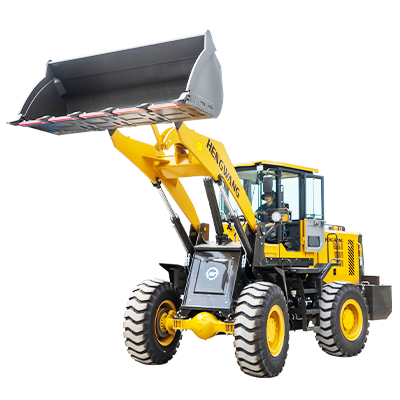
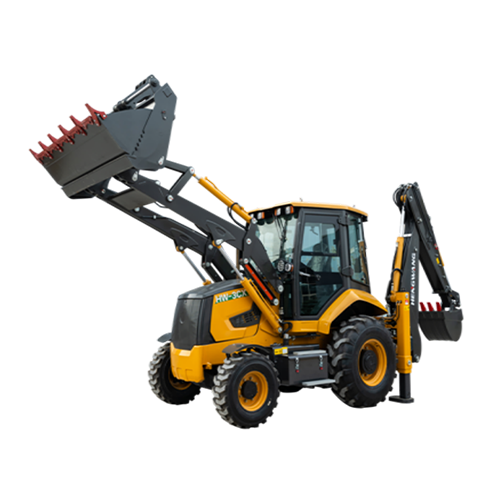
Loaders are pivotal in construction, and standardized operation directly impacts efficiency and safety. Below is a four-stage breakdown of proper procedures to ensure reliable loader performance:
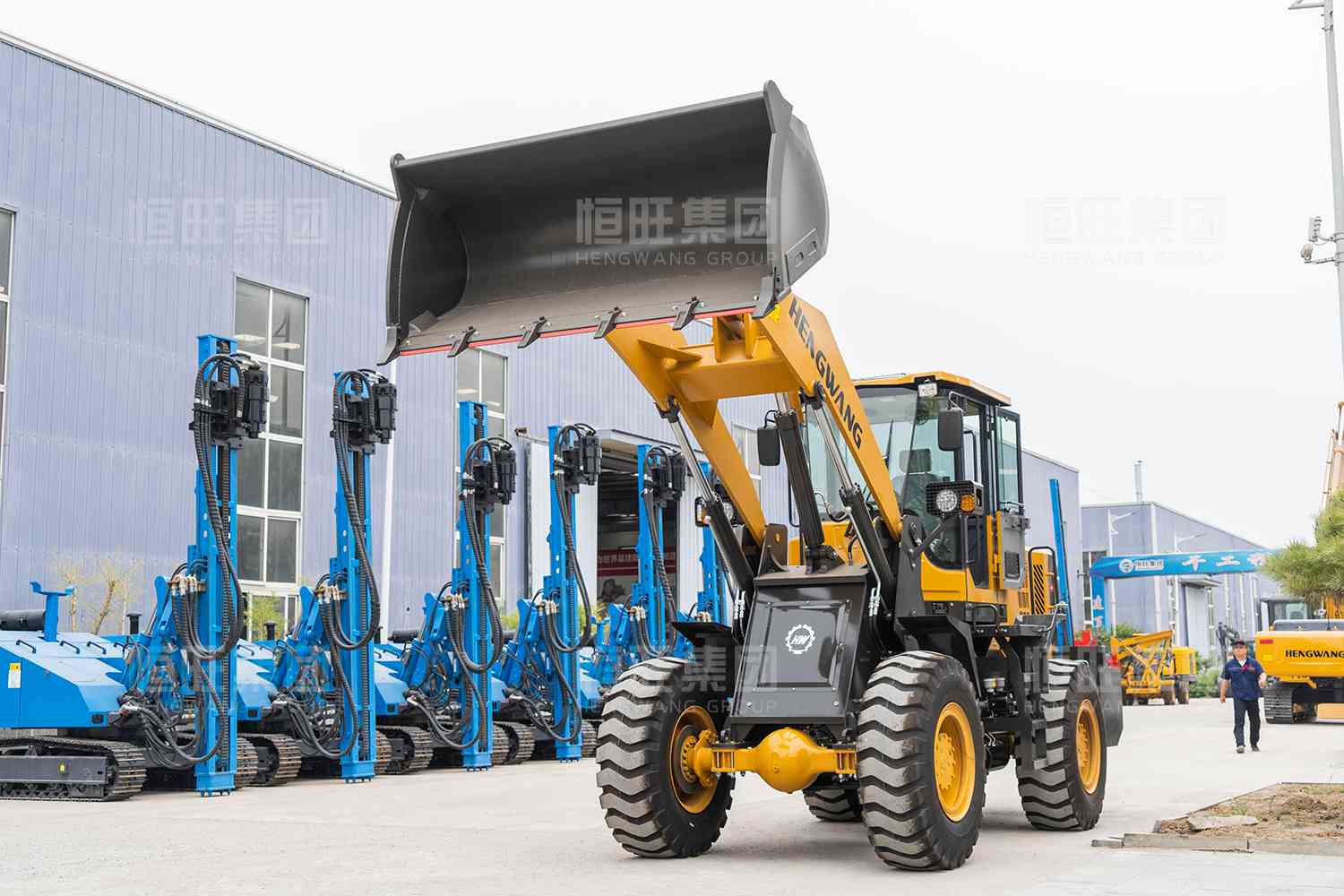
Fluid System Check:
Verify fuel level (≥1/4 tank), coolant (within expansion tank marks), and engine oil (between dipstick limits).
Ensure hydraulic oil reaches 2/3 of the level gauge to prevent high-temperature system failure.
Brake System Test:
Work Equipment Preliminary Test:
Environmental Pre-Check:
Conduct a full vehicle walk-around to clear obstacles; use mirrors and rear-view cameras, then sound the horn.
Idle for 3-5 minutes in cold conditions until oil pressure stabilizes (0.2-0.4MPa).
Power Engagement Essentials:
Chassis Connection Management:
Load Transportation Principles:
Condition Adaptation Requirements:
Commence full-load operation only when engine water/oil temperature ≤90℃; idle to cool if overheated.
Align the loader chassis straight before loading, with the bucket parallel to the ground—no diagonal scooping.
Operation Taboos:
High-Risk Operation Prevention:
Never leave the cab with the bucket raised; lower it to the ground when stopping.
Prohibit using the bucket to lift personnel; keep clear of the bucket underside when raised.
Maintain safe distance from power lines (≥3m for 10kV, ≥5m for 35kV).
Unloading Operation Standards:
Adhering to these standards reduces loader failure rates by 40%. Customize the guide with your equipment manual to enhance efficiency and safety in all operations.